
Temperature is one of the most critical variables in both fermentation and culinary execution. Whether crafting small-batch beer, fermenting wine, culturing yogurt, or preparing precision-cooked dishes, temperature directly influences flavor development, texture, safety, and consistency.
For producers and culinary professionals alike, mastering temperature control is not optional — it is foundational to quality.
Why Temperature Matters in Fermentation
Fermentation is a biological process driven by microorganisms such as yeast and bacteria. These organisms are highly sensitive to temperature fluctuations.
Improper temperature control can lead to:
- Off-flavors and unwanted byproducts
- Stalled fermentation
- Inconsistent alcohol levels
- Texture irregularities
- Microbial instability
Precise control ensures predictable, repeatable results — a hallmark of professional-grade production.
Yeast Performance and Flavor Development
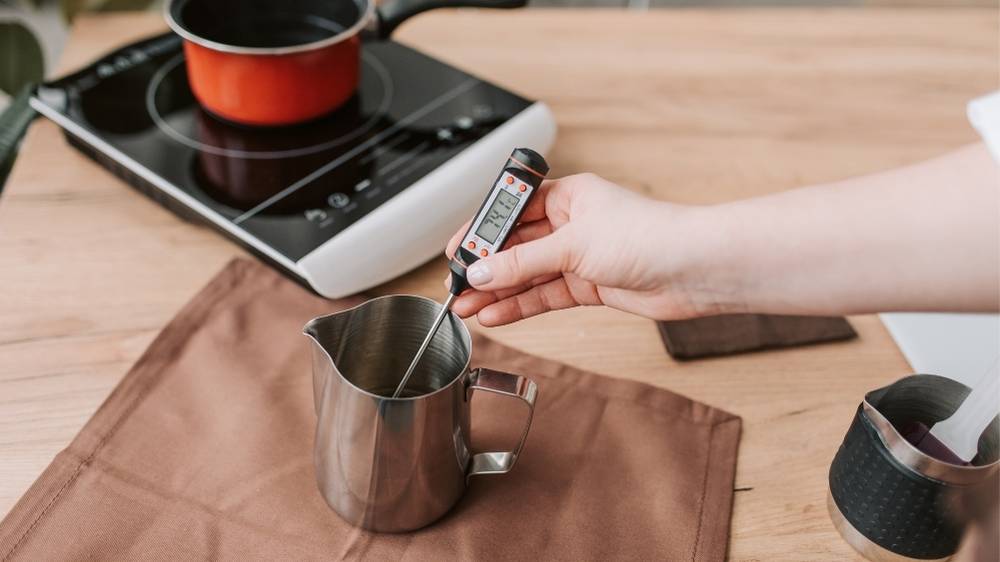
Yeast metabolism varies significantly depending on temperature range.
Too High:
- Increased ester production
- Harsh alcohol notes
- Risk of fusel alcohol formation
- Faster but less controlled fermentation
Too Low:
- Sluggish or stalled fermentation
- Reduced flavor complexity
- Incomplete sugar conversion
Maintaining optimal temperature encourages balanced ester formation, clean fermentation profiles, and proper attenuation.
Temperature Control in Brewing
In beer production, temperature affects every stage:
- Mash temperature determines sugar extraction and body.
- Fermentation temperature influences yeast character.
- Cold conditioning improves clarity and smoothness.
Even minor fluctuations can significantly alter mouthfeel, aroma, and final ABV. Consistent thermal regulation helps brewers replicate successful batches and refine flavor profiles with precision.
Temperature and Winemaking
In winemaking, temperature shapes extraction and aromatic development.
- Warmer fermentation enhances tannin and color extraction in reds.
- Cooler fermentation preserves delicate aromatics in whites.
- Controlled malolactic fermentation stabilizes acidity.
Winemakers rely on temperature management to achieve balance between fruit expression, structure, and aging potential.
Culinary Applications of Temperature Precision
Beyond fermentation, temperature plays a vital role in culinary processes.
Sous Vide Cooking
Precise low-temperature water baths ensure even cooking, moisture retention, and textural perfection.
Chocolate Tempering
Specific heat cycles create stable crystalline structures for gloss and snap.
Proofing Dough
Controlled warmth optimizes yeast activity for ideal rise and crumb structure.
Dairy Culturing
Yogurt and cheese production depend on stable incubation temperatures for proper bacterial development.
Temperature control directly impacts food safety, texture, and flavor clarity.
Preventing Contamination and Spoilage
Temperature stability reduces the risk of unwanted microbial growth.
In fermentation:
- Stable temperatures discourage contamination.
- Rapid temperature swings stress yeast, creating vulnerability.
- Controlled cooling prevents oxidation and spoilage.
Maintaining consistent environmental conditions protects product integrity.
Consistency and Scalability
For commercial operations and serious hobbyists, scalability depends on repeatability.
Precise temperature management allows for:
- Replicable flavor profiles
- Accurate process timing
- Efficient production scheduling
- Reduced ingredient waste
Consistency builds brand trust and product reliability.
Energy Efficiency and Sustainability
Modern temperature control systems are designed for efficiency.
Benefits include:
- Reduced energy waste
- Targeted cooling or heating
- Improved environmental control
- Lower operational costs
Sustainable process management aligns quality control with responsible production.
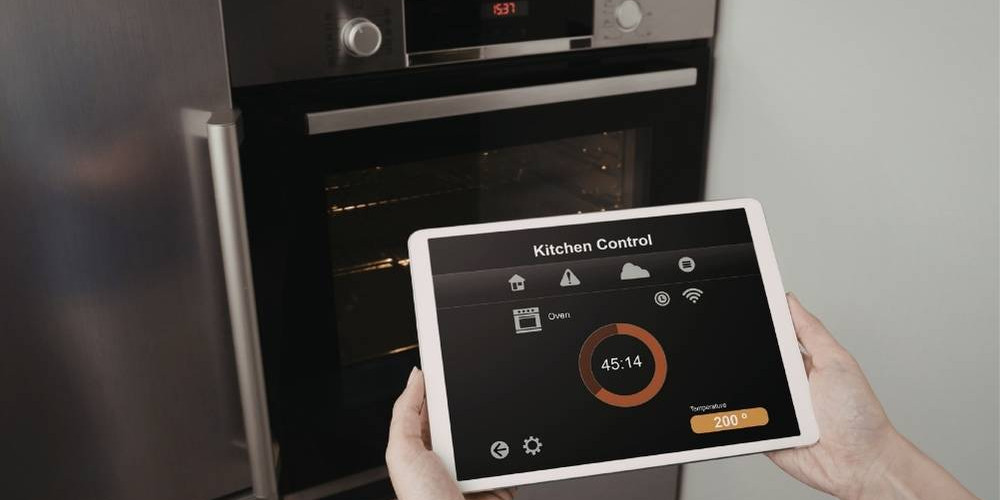
Digital Monitoring and Automation
Today’s advanced temperature systems often include:
- Real-time digital tracking
- Automated adjustments
- Data logging
- Remote monitoring capabilities
These tools empower producers with actionable insights and tighter process control, reducing guesswork and enhancing precision.
Competitive Advantage Through Precision
In both fermentation and culinary industries, precision separates amateur outcomes from professional excellence.
Producers who prioritise temperature control benefit from:
- Superior flavor clarity
- Improved structural balance
- Reduced variability
- Greater customer satisfaction
Temperature management is not merely technical — it is strategic.
Strategic Takeaway
Temperature control is central to fermentation and culinary success. From yeast metabolism to protein structure and microbial stability, thermal precision shapes the final outcome in measurable ways.
By investing in reliable temperature management systems, producers gain:
- Flavor consistency
- Quality assurance
- Process reliability
- Scalable production capability
In modern fermentation and culinary environments, temperature control is the invisible force behind exceptional results.