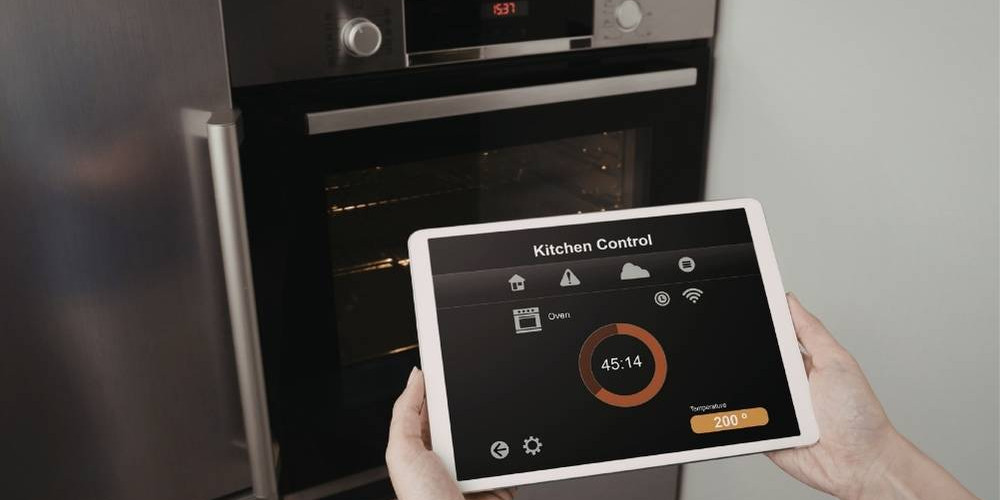

Precision temperature control has become a non-negotiable standard in modern food preparation. From fermentation and brewing to sous vide cooking and cold storage, maintaining accurate and stable temperatures directly impacts food safety, consistency, and flavour quality.
However, not all temperature systems are built the same. Choosing the right precision temperature system requires understanding your operational needs, workflow, and performance expectations.
Why Precision Temperature Systems Matter
Food preparation involves sensitive biological and chemical processes. Even small temperature fluctuations can lead to:
- Inconsistent cooking results
- Compromised food safety
- Altered fermentation profiles
- Reduced shelf life
- Increased waste
A high-quality precision temperature system ensures stability, repeatability, and efficiency across all food handling stages.
1. Define Your Primary Application
Before selecting a system, identify how it will be used.
Common applications include:
- Sous vide cooking
- Brewing and fermentation
- Dough proofing
- Dairy culturing
- Cold storage monitoring
- Hot holding systems
Different processes require different temperature ranges and control tolerances. A fermentation setup demands long-term stability, while sous vide requires ultra-precise short-term heat control.
2. Evaluate Temperature Range and Accuracy
Accuracy is the foundation of a reliable system.
Key considerations:
- Minimum and maximum temperature range
- Precision tolerance (±0.1°C vs ±1°C)
- Recovery time after opening or temperature shifts
- Stability over extended durations
Professional-grade systems typically offer tighter accuracy ranges and faster recovery times.
3. Consider Monitoring and Automation Features
Modern temperature systems often include digital integration.
Look for:
- Real-time temperature display
- Automated adjustments
- Programmable settings
- Alert notifications for deviations
- Data logging capabilities
Automation reduces manual oversight while improving reliability and compliance documentation.
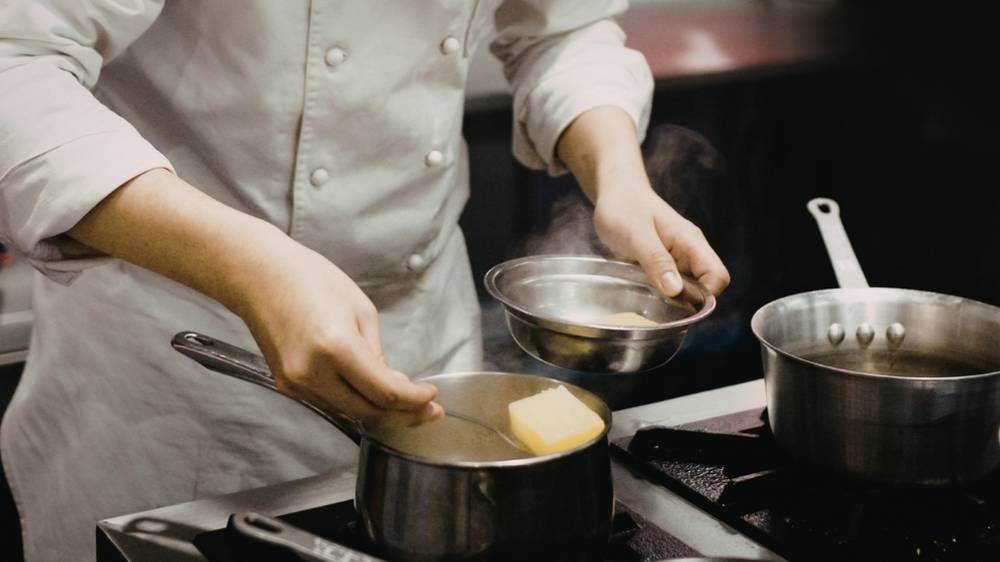
4. Assess Capacity and Scalability
Your kitchen or production space may expand over time.
When choosing a system, evaluate:
- Storage or vessel capacity
- Ability to manage multiple units
- Centralised monitoring options
- Modular expansion capability
A scalable system protects your investment as operations grow.
5. Energy Efficiency and Operating Costs
Precision should not come at the expense of sustainability.
Energy-efficient systems offer:
- Optimised cooling and heating cycles
- Insulated design for temperature retention
- Lower long-term utility costs
- Reduced environmental impact
Efficient performance balances operational reliability with cost control.
6. Reliability and Build Quality
Food preparation environments demand durable equipment.
Look for:
- High-quality construction materials
- Corrosion resistance
- Consistent performance under load
- Proven track record in professional kitchens
Durability reduces downtime and maintenance costs.
7. Ease of Use and User Interface
Complex systems should not be complicated to operate.
Choose systems with:
- Intuitive digital controls
- Clear display interfaces
- Simple calibration processes
- Minimal training requirements
Ease of use enhances workflow efficiency and reduces operational errors.
8. Safety and Compliance Support
Food businesses must meet regulatory standards.
Precision temperature systems should support:
- HACCP compliance
- Temperature logging for audits
- Secure alarm systems
- Stable holding and storage zones
Compliance-ready systems reduce liability risks.
9. Support, Warranty, and Maintenance
Reliable customer support is often overlooked but essential.
Evaluate:
- Manufacturer warranty terms
- Technical support availability
- Replacement part access
- Maintenance requirements
A strong support system ensures long-term operational stability.
10. Match System to Kitchen Workflow
Temperature control should integrate seamlessly into existing operations.
Ask:
- Does it fit within current space constraints?
- Will it disrupt or enhance workflow?
- Can staff easily integrate it into daily processes?
The best system improves efficiency without complicating routines.

Common Mistakes to Avoid
When choosing a precision temperature system, avoid:
- Selecting based solely on price
- Overlooking long-term energy costs
- Ignoring scalability needs
- Choosing insufficient accuracy for sensitive processes
- Failing to verify durability
Short-term savings can lead to long-term operational setbacks.
Strategic Takeaway
Choosing the right precision temperature system for food preparation requires a balanced evaluation of accuracy, reliability, scalability, energy efficiency, and operational compatibility.
By prioritising:
- Application-specific needs
- Tight temperature tolerances
- Digital monitoring features
- Compliance readiness
- Long-term durability
you ensure consistent food quality, improved safety standards, and sustainable operational performance.
In modern kitchens and food production environments, precision temperature control is not simply equipment — it is a strategic investment in quality and consistency.