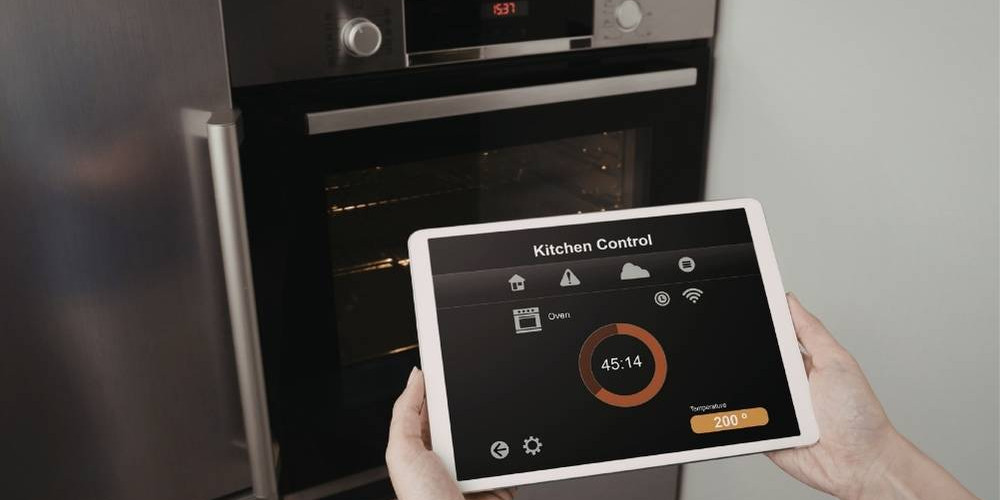

The Rise of the Prosumer Kitchen
For decades, the distinction between a professional kitchen and a home kitchen was clear. One was a high-octane environment filled with stainless steel and high-BTU burners, while the other was designed for convenience and aesthetics. However, a significant shift is occurring. Serious home cooks are increasingly bypassing traditional residential models in favor of commercial-grade appliances. This trend isn’t just about status; it is a practical move toward better results, longer-lasting equipment, and professional-level precision.
This reliability is essential for maintaining temperature control in fermentation, allowing home cooks to produce professional-quality results across a wide variety of delicate culinary projects.
At BrewJacket, we understand that the foundation of any great culinary creation—whether it is a perfectly fermented lager or a slow-roasted ribeye—is control. When you move to commercial-grade gear, you aren’t just buying a brand; you are buying a higher level of performance that residential appliances simply cannot match.
1. Precision Temperature Control
One of the primary reasons home cooks are making the switch is the need for exact temperature management. In a standard home oven, temperature fluctuations of 25 to 50 degrees are common. For a casual baker, this might mean a slightly uneven crust. For a serious cook, it means the difference between a successful dish and a failure.
The Role of Thermal Stability
Commercial appliances are built with superior insulation and more sensitive thermostats. This is particularly vital in processes like sous-vide cooking or fermentation, where a variance of even two degrees can drastically alter the final product. Investing in precision temperature systems allows home cooks to replicate the consistent environment of a professional kitchen, ensuring that every batch of food or beverage meets a specific standard.
2. Unmatched Durability and Longevity
Most residential appliances are designed with a lifespan of 7 to 10 years, often utilizing plastic components and integrated circuit boards that are expensive to repair. Commercial-grade appliances, conversely, are built to be serviced, not replaced.
- Heavy-Duty Materials: Stainless steel, cast iron, and high-grade silicone replace the plastic found in consumer models.
- Serviceability: Commercial units are designed with accessible parts, making it easier for technicians (or handy homeowners) to replace a single component rather than the entire machine.
- Continuous Operation: These machines are engineered to run 24/7. For the home cook who spends every weekend meal-prepping or experimenting with long-term fermentations, this reliability is essential.
3. Power and Efficiency
If you have ever tried to sear a steak on a standard electric range, you know the frustration of the pan losing heat the moment the meat touches the surface. Commercial ranges offer significantly higher BTU (British Thermal Unit) ratings, allowing for rapid heating and faster recovery times. This isn’t just about speed; it’s about the chemistry of cooking. High heat is necessary for the Maillard reaction, which creates the complex flavors we associate with professional-quality searing and roasting.
4. Expanding Culinary Possibilities
Investing in professional gear opens doors to techniques that are difficult to master with standard home tools. From high-capacity vacuum sealers to precision cooling systems, these tools allow for a level of experimentation that keeps the hobby engaging.
Advanced Fermentation and Storage
For those interested in the science of food, commercial-grade cooling and heating units are game-changers. Whether you are aging cheese, curing meats, or brewing complex ales, the ability to hold a specific temperature for weeks at a time is a requirement. Commercial gear provides the “set it and forget it” reliability that allows home cooks to tackle complex, multi-day projects with confidence.
How to Start Your Professional Upgrade
You don’t need to gut your entire kitchen to start reaping the benefits of commercial-grade technology. Many serious cooks take a modular approach to their upgrades. Here is a practical way to begin:
- Identify Your Bottleneck: Determine which part of your cooking process is currently limited by your equipment. Is it the inconsistent heat of your oven? The lack of precision in your fermentation setup?
- Invest in Temperature Control First: Before buying a $10,000 range, consider professional-grade temperature control systems. These offer the highest return on investment for food safety and flavor consistency.
- Look for “Prosumer” Models: Many manufacturers now create “prosumer” lines—appliances that offer commercial internals with footprints and power requirements suitable for a standard home.
The Practical Reality of the Investment
While the upfront cost of commercial-grade appliances is higher, the long-term value is undeniable. When you factor in the extended lifespan of the equipment and the reduction in wasted ingredients due to cooking errors, the investment often pays for itself. Beyond the finances, there is the intangible benefit of joy in the process. Using tools that respond accurately to your inputs makes cooking less of a chore and more of a craft.
As the line between the professional chef and the dedicated home cook continues to blur, the equipment we use must evolve. By choosing commercial-grade appliances, you are not just buying a tool; you are investing in your ability to create exceptional food and drink right in your own kitchen.