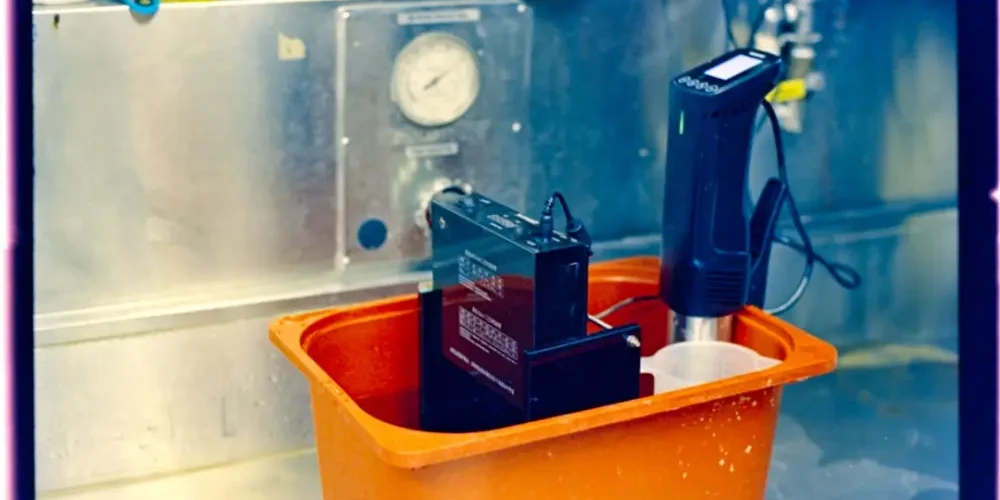

In today’s professional kitchens, precision is everything. From maintaining food safety standards to delivering consistent flavour and texture, temperature control plays a central role in daily operations. Modern food temperature control systems provide chefs and kitchen managers with the reliability, accuracy, and efficiency required in high-performance environments.
Whether operating a commercial kitchen, catering service, brewery, or food production facility, investing in proper temperature management directly impacts quality and profitability.
Why Temperature Control Matters in Modern Kitchens
Food is highly sensitive to temperature fluctuations. Improper heat management can lead to:
- Bacterial growth
- Inconsistent cooking results
- Texture breakdown
- Reduced shelf life
- Compliance violations
Modern temperature control systems eliminate guesswork by maintaining precise, stable conditions throughout preparation, cooking, cooling, and storage stages.
1. Enhanced Food Safety and Compliance
Food safety regulations require strict monitoring of storage, cooking, and holding temperatures.
Temperature control systems help:
- Maintain safe cold storage (typically below 5°C)
- Ensure proper cooking temperatures for proteins
- Monitor hot holding conditions
- Log temperature data for inspections
Automated tracking reduces human error and supports compliance with food safety standards.
2. Consistent Cooking Results
Precision temperature systems ensure dishes are cooked evenly and consistently.
Applications include:
- Sous vide preparation
- Proofing dough
- Controlled roasting
- Fermentation management
Consistent temperature leads to predictable textures, proper doneness, and reliable flavour outcomes across every batch.

3. Improved Ingredient Quality and Shelf Life
Stable refrigeration and storage conditions preserve freshness.
Benefits include:
- Slower spoilage rates
- Reduced food waste
- Maintained nutritional value
- Better ingredient performance during cooking
By preventing temperature fluctuations, kitchens protect both product quality and profit margins.
4. Greater Operational Efficiency
Modern systems often include digital monitoring and automation features.
These allow:
- Real-time alerts for temperature deviations
- Automated heating or cooling adjustments
- Reduced manual checks
- Centralised control panels
Streamlined monitoring frees staff to focus on preparation and service rather than constant supervision.
5. Energy Efficiency and Cost Control
Advanced temperature systems are engineered for efficiency.
They provide:
- Targeted cooling and heating
- Optimised compressor cycles
- Reduced energy waste
- Lower long-term operational costs
Energy-efficient solutions support sustainability initiatives while improving cost control.
6. Precision in Fermentation and Specialty Processes
For kitchens involved in brewing, baking, or cultured foods, temperature precision is critical.
Controlled systems support:
- Stable yeast fermentation
- Consistent dough rise
- Accurate dairy culturing
- Balanced flavor development
Even small temperature variations can significantly alter results in fermentation-based processes.
7. Reduced Risk of Equipment Failure
Temperature control systems often include monitoring features that detect anomalies early.
This helps prevent:
- Overheating
- Compressor strain
- Sudden breakdowns
- Costly downtime
Preventative control protects both inventory and equipment investments.

8. Data Logging and Performance Tracking
Many modern systems offer data logging capabilities.
This provides:
- Historical performance records
- Quality control documentation
- Audit readiness
- Process optimisation insights
Data-driven kitchens operate with greater accountability and precision.
9. Scalability for Growing Operations
As food businesses expand, consistent systems become even more important.
Temperature control systems allow for:
- Multi-unit monitoring
- Centralised management
- Standardised processes
- Replicable quality across locations
Scalable systems support business growth without sacrificing quality standards.
10. Competitive Advantage Through Precision
In modern culinary environments, consistency and safety directly influence reputation.
Using advanced food temperature control systems helps kitchens:
- Deliver consistent dining experiences
- Protect brand integrity
- Reduce liability risks
- Enhance customer satisfaction
Precision becomes a strategic advantage.
Strategic Takeaway
Food temperature control systems are no longer optional in modern kitchens — they are essential. From food safety compliance to flavour consistency and energy efficiency, proper temperature management strengthens every stage of food production.
By integrating reliable temperature control systems, kitchens benefit from:
- Enhanced safety
- Consistent quality
- Reduced waste
- Operational efficiency
- Long-term cost savings
In high-performance culinary environments, temperature precision is the foundation of excellence.